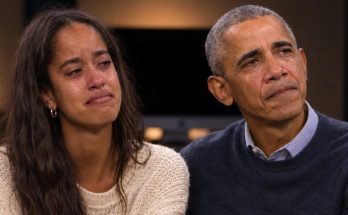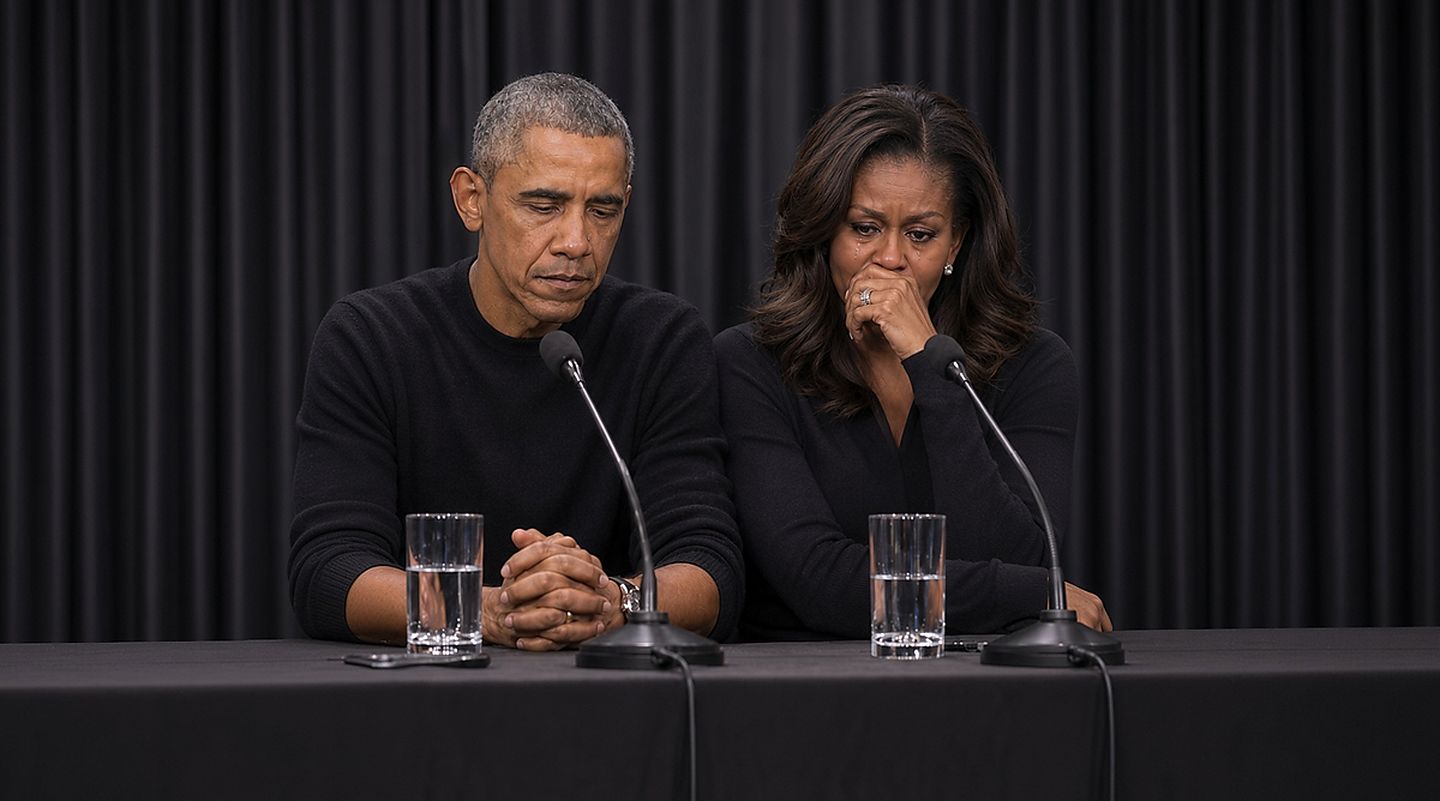
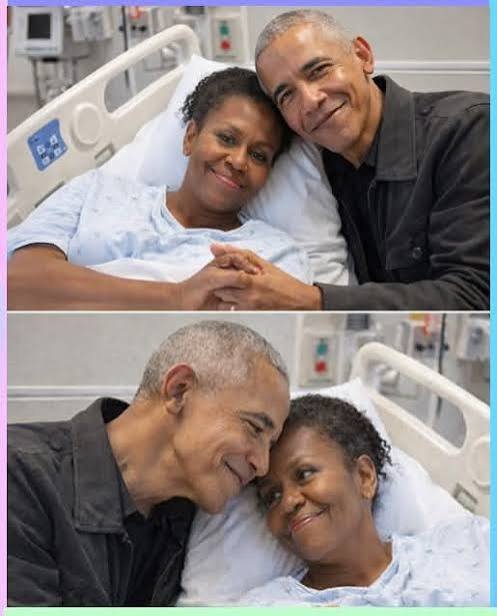
In a deeply emotional and sincere moment that quickly captured public attention, former First Lady Michelle Obama opened up about a difficult and deeply personal struggle that her husband, former United States President Barack Obama, had been facing.
Speaking with unusual vulnerability during a public conversation, Michelle paused to reflect on concerns surrounding Barack’s well-being, sharing a heartbreaking account of the challenges affecting his physical health—and acknowledging how years of public responsibility, constant travel, and demanding commitments had taken an emotional and physical toll.
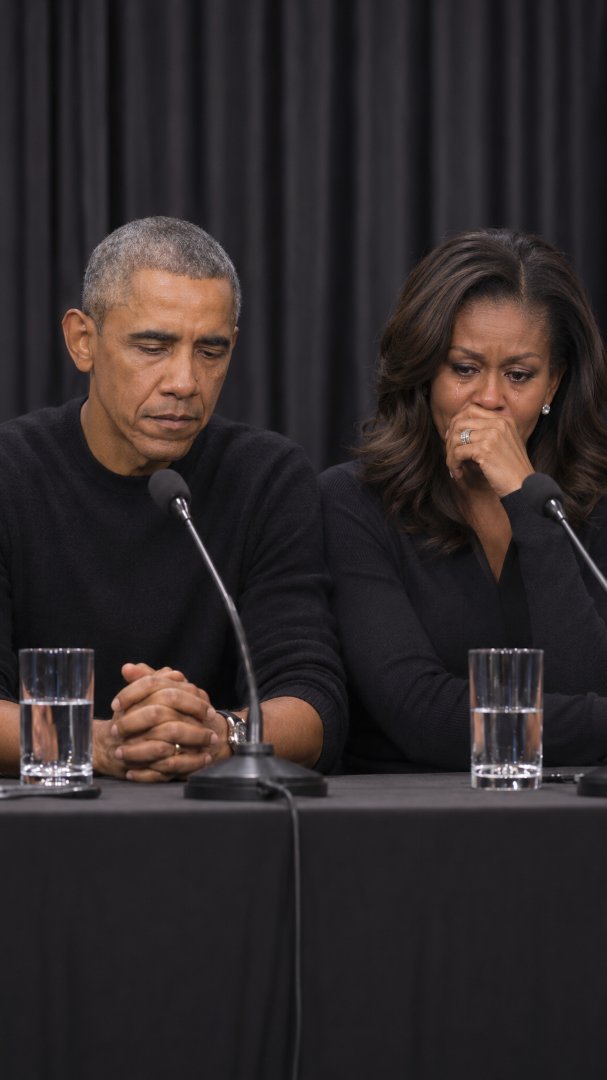
For decades, millions of Americans and observers around the world have followed the extraordinary journey of Barack Obama, from his early political career to his historic presidency and continued involvement in public life.
Throughout that journey, Michelle has remained an important presence beside him, sharing both the extraordinary responsibilities of public service and the quieter challenges of maintaining a private family life.
Despite their international recognition, the couple have consistently been associated with a strong commitment to family, personal values, and the importance of protecting moments away from public attention.
Yet behind the smiling photographs, public appearances, and carefully prepared speeches, this imagined account suggested a quieter struggle—periods of increasing exhaustion, demanding days of recovery, and occasions when ordinary responsibilities required more effort than usual.
When gently asked how the family was managing these challenges, Michelle abandoned the familiar confidence often associated with major public appearances.
Her voice softened as she acknowledged that Barack had been experiencing a difficult period physically, one that deserved attention rather than being dismissed as the inevitable consequence of a busy life.
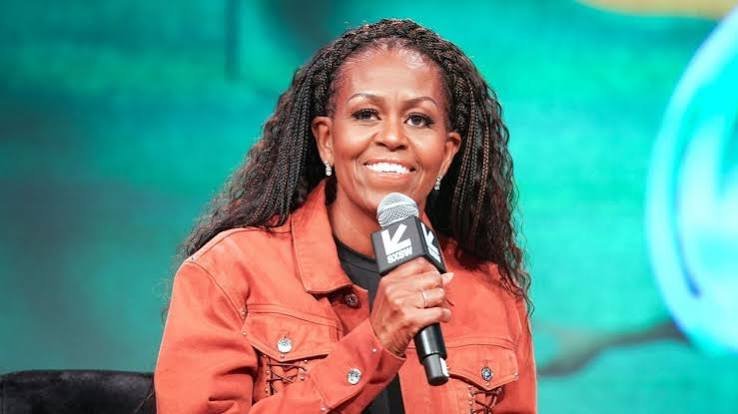
“When you spend so many years watching someone carry responsibilities for other people, you sometimes have to remind them that taking care of themselves is not a selfish decision,” Michelle shared.
She continued by describing the emotional challenge of watching her husband attempt to remain active in public commitments while struggling with exhaustion and the pressure of maintaining expectations.
Her reflection resonated with listeners, especially because Barack Obama has long been associated with composure, optimism, and the ability to remain calm under extraordinary pressure.
During and after his presidency, he has maintained a public identity shaped by communication, leadership, and engagement with important national and international conversations.
In this imagined situation, however, Michelle emphasized that behind the public figure stood a husband and father whose well-being deserved the same consideration as anyone else’s.
As the conversation circulated within the fictional account, messages of encouragement began appearing from admirers and members of the broader public.
Many expressed hope that Barack would take the time necessary to rest, spend meaningful moments with family, and seek appropriate support without feeling obligated to meet constant external expectations.
Others praised Michelle for speaking about the importance of recognizing personal limits and protecting the dignity of loved ones during difficult moments.
At the same time, the emotional reflection raised broader questions about the expectations placed on former national leaders.
Even after leaving office, public figures can remain subject to intense scrutiny, frequent travel, major speaking commitments, and ongoing demands on their time.
For years, Barack Obama’s calm public presence had encouraged audiences to see him as someone capable of navigating difficult circumstances with remarkable steadiness.
Michelle’s fictional account offered a different perspective, reminding listeners that composure does not eliminate the need for care, privacy, or recovery.
Within this narrative, the Obama family remained focused on protecting Barack’s privacy while surrounding him with emotional reassurance and appropriate professional medical support.
Although no specific medical details were provided, Michelle was portrayed as encouraging him to reduce unnecessary obligations and concentrate on his personal well-being.
In a world that often expects prominent individuals to remain constantly available, her reflection offered a message that extended beyond politics.
For those who admire Barack Obama, it was a reminder that public responsibility should never erase an individual’s right to rest and protect their health.
Behind the historic speeches, international recognition, and years of service stands a human being whose personal well-being matters beyond the demands of public life.
And sometimes, the strongest expression of leadership is recognizing the importance of slowing down, accepting support, and placing family and health first.